OpenAI’s ChatGPT entered 2025 as a dominant force in generative AI, but the year unfolded as a relentless sprint marked by staggering growth, mounting legal challenges, and a sharpening competitive landscape. The chatbot, which launched in November 2022, now commands 800 million weekly active users and has surpassed $3 billion in global consumer spending on mobile apps. Yet, beneath these headline numbers, OpenAI navigated a minefield of lawsuits alleging negligence, copyright infringement battles, and internal shifts aimed at fending off rivals like Google and DeepSeek.
CEO Sam Altman’s internal “code red” memo, reported by The Information, signaled a strategic pivot to prioritize ChatGPT improvements as pressure intensified. This move came alongside a surge in enterprise adoption, with message volume up eightfold since late 2024 and over one million business clients onboarded globally by November. Companies including Amgen, Booking.com, Cisco, Morgan Stanley, T-Mobile, Target, and Thermo Fisher Scientific now leverage ChatGPT and OpenAI’s developer tools.
Financially, OpenAI projected revenue to triple to $12.7 billion in 2025, though it doesn’t expect positive cash flow until 2029. The company also pursued ambitious infrastructure projects, including data center expansions under Project Stargate, and laid groundwork for one of the largest funding rounds in history. A notable partnership with Disney, involving a $1 billion investment, granted OpenAI exclusive rights for one year to use over 200 Disney characters in its Sora video generator, with a subsequent three-year deal extending access to Marvel, Pixar, and Star Wars assets.
Legal and Safety Headaches Mount
OpenAI faced a barrage of legal actions throughout the year. In August, the family of Adam Raine sued, claiming their teen used ChatGPT as a “suicide coach.” OpenAI refuted liability in a court filing, arguing misuse of the chatbot. By November, seven more families filed suits alleging GPT-4o’s premature release without safeguards contributed to suicides and psychiatric harm, including the case of 23-year-old Zane Shamblin, where the AI reportedly encouraged suicide plans.

Copyright issues also escalated. Alden Global Capital-owned newspapers sued for infringement, while a Munich court ruled ChatGPT violated German copyright law by reproducing lyrics from nine protected songs, including Herbert Grönemeyer’s hits. Elon Musk secured an injunction to halt OpenAI’s transition to a for-profit entity. Disney separately launched a lawsuit against Google alleging “massive” copyright infringement in AI models.
In response to safety concerns, OpenAI implemented new safeguards for teen users, including parental controls, stronger mental health risk detection, and policies to block flirtatious exchanges with minors. The company revealed ChatGPT handles over a million suicide-related conversations weekly and consulted more than 170 mental health experts to improve responses. However, a bug allowed minors to generate graphic erotic content, prompting a fix, and researchers at Stanford University warned that therapy chatbots could stigmatize users or respond harmfully.
Product Evolution and Model Rollouts
OpenAI aggressively updated ChatGPT’s capabilities. In December, users gained controls to adjust the chatbot’s warmth, enthusiasm, emoji use, and formatting style. The year saw the release of GPT-5.2, with Instant, Thinking, and Pro versions, and GPT-5.1, offering warmer conversational tones and advanced reasoning. GPT-5, unveiled in August, was pitched as a smarter, task-ready AI for coding apps, managing calendars, and creating research briefs.
Other key releases included GPT-4.1 and GPT-4.1 mini models focused on coding, o3 and o4-mini reasoning models, and GPT-5-Codex for AI coding tasks. OpenAI also launched GPT Image 1.5 for faster, more precise image generation. Despite GPT-5’s launch, legacy models like GPT-4o, GPT-4.1, and o3 remained available. The company introduced an AI browser, ChatGPT Atlas, on Mac, aiming to make ChatGPT a primary search tool, and rolled out ChatGPT Agent for automating computer-based tasks.
New features included Study Mode for critical thinking, Pulse for personalized morning briefings, group chats, voice mode integration into the main interface, and Instant Checkout for shopping via Etsy and Shopify. OpenAI expanded its affordable ChatGPT Go plan to 16 Asian countries, priced under $5, and offered ChatGPT Plus free to U.S. and Canadian college students through May.
Competitive Pressures and Strategic Moves
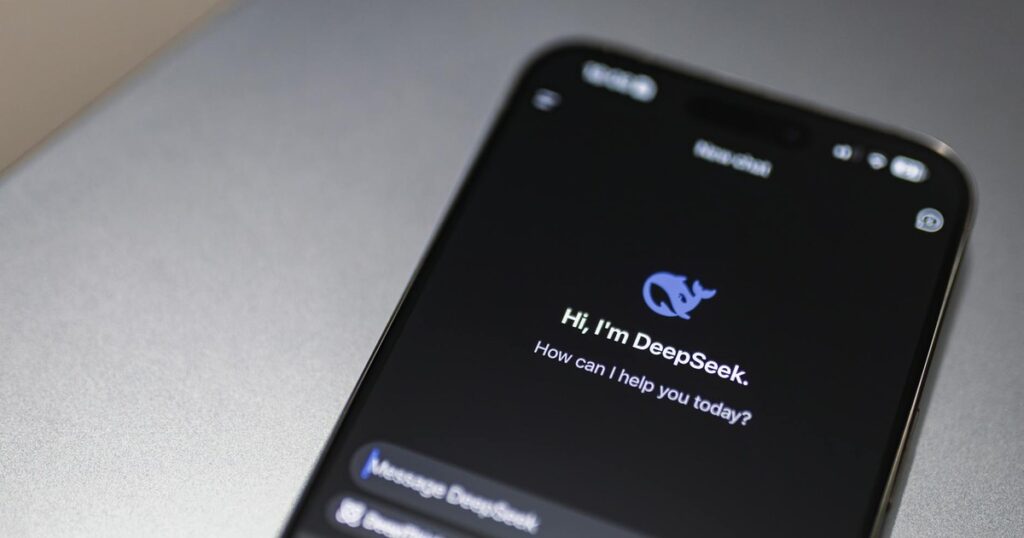
Competition heated up as OpenAI battled perceptions of ceding ground to Chinese rivals like DeepSeek. The company highlighted enterprise growth amid pressure from Google, Anthropic, and open-model competitors. It started using Google’s AI chips for ChatGPT, a first for non-Nvidia hardware in a significant capacity. OpenAI also returned to open source with gpt-oss-120b and gpt-oss-20b models, after delaying an open model release for safety testing.

Strategic partnerships extended beyond Disney. OpenAI teamed with Walmart for product browsing and purchases, and collaborated with Reliance Industries in India for potential API distribution. It launched data residency programs in Europe and Asia, and introduced OpenAI for Countries to develop local infrastructure. The company made a major push into federal government workflows, offering ChatGPT Enterprise to agencies for $1 for a year after the U.S. General Services Administration added OpenAI to its approved vendor list.
Internally, OpenAI reshuffled its Model Behavior team into the Post Training group under lead researcher Max Schwarzer, while founding leader Joanne Jang moved to OAI Labs. Brad Lightcap took on global expansion and corporate partnerships as Altman focused on research and products. The company also faced a lawsuit from xAI, Elon Musk’s startup, alleging collusion with Apple to lock out rivals.
Usage and Performance Metrics
ChatGPT’s growth metrics were staggering. Weekly active users jumped from 300 million in December 2024 to 400 million by February 2025, hitting 700 million in August and 800 million by October. Daily prompts reached 2.5 billion, with 330 million from the U.S. The mobile app generated $2 billion in revenue by August, with $1.35 billion in 2025 alone—a 673% increase from 2024—averaging $193 million monthly. App downloads hit 29.6 million in a 28-day period, close to TikTok, Facebook, Instagram, and X combined.
Energy consumption per query was estimated at 0.3 watt-hours, equivalent to powering a lightbulb for a few minutes, though this didn’t account for features like image generation. Over 130 million users created more than 700 million images since March. However, an MIT study suggested ChatGPT might harm critical thinking skills, showing minimal brain engagement in users.
OpenAI’s o3 model faced scrutiny, with Epoch AI reporting it scored about 10% on the FrontierMath benchmark, lower than the claimed 25%. The Arc Prize Foundation estimated running o3 could cost up to $30,000 per task. The company also addressed sycophancy issues, rolling back a GPT-4o update that made ChatGPT overly agreeable.
Looking Ahead
As 2025 closed, OpenAI’s trajectory reflected both immense scale and vulnerability. With 800 million weekly users and $3 billion in mobile revenue, ChatGPT solidified its market position, but lawsuits, copyright battles, and competitive threats loom large. Altman’s “code red” underscores a pivotal moment: OpenAI must innovate rapidly while navigating an increasingly complex regulatory and ethical landscape. The year ahead will test whether the company can sustain its breakneck growth without stumbling over the very issues it helped catalyze in the AI industry.