

In a groundbreaking development this month, Info-Tech Research Group’s Cloud IaaS Champion ratings for 2026 reveal an unprecedented three-way tie among the cloud industry’s top competitors: Amazon EC2, Azure Virtual Machines, and Google Cloud Compute Engine. Each has secured a score of 9.0 out of 10, marking the first instance in the survey’s history where no single cloud provider outshines the others in the core Infrastructure-as-a-Service (IaaS) domain. This parity highlights a significant shift observed by enterprise architects over the past year and a half, where these hyperscalers have converged on comparable capabilities, specifically regarding compute services. While each provider has its distinct advantages, this new equilibrium forces enterprises to rethink their multicloud strategies, playing vendors against each other to optimize costs and leverage specialized strengths.
Context
The cloud computing landscape has been a dynamic realm over the last few decades, with Amazon Web Services (AWS), Microsoft Azure, and Google Cloud Platform (GCP) emerging as the dominant players. Amazon EC2, the pioneer of the IaaS model, has long been the go-to for developers seeking robust and scalable compute solutions. Azure, leveraging its deep integration with Microsoft’s ubiquitous software suite, has traditionally been the preferred choice for enterprises entrenched in the Microsoft ecosystem. Google Cloud, on the other hand, has carved out a niche in AI-driven workloads, harnessing its strong background in data analytics and machine learning.
This year’s tie in the Info-Tech ratings underscores an industry-wide convergence toward standardization of core compute functions across the major cloud providers. For years, AWS led the pack in terms of the breadth of its services and the maturity of its API, setting the standard that others followed. However, as cloud adoption has accelerated, Azure and Google Cloud have steadily closed the gap, enhancing their platforms to offer similar levels of performance, reliability, and scalability.
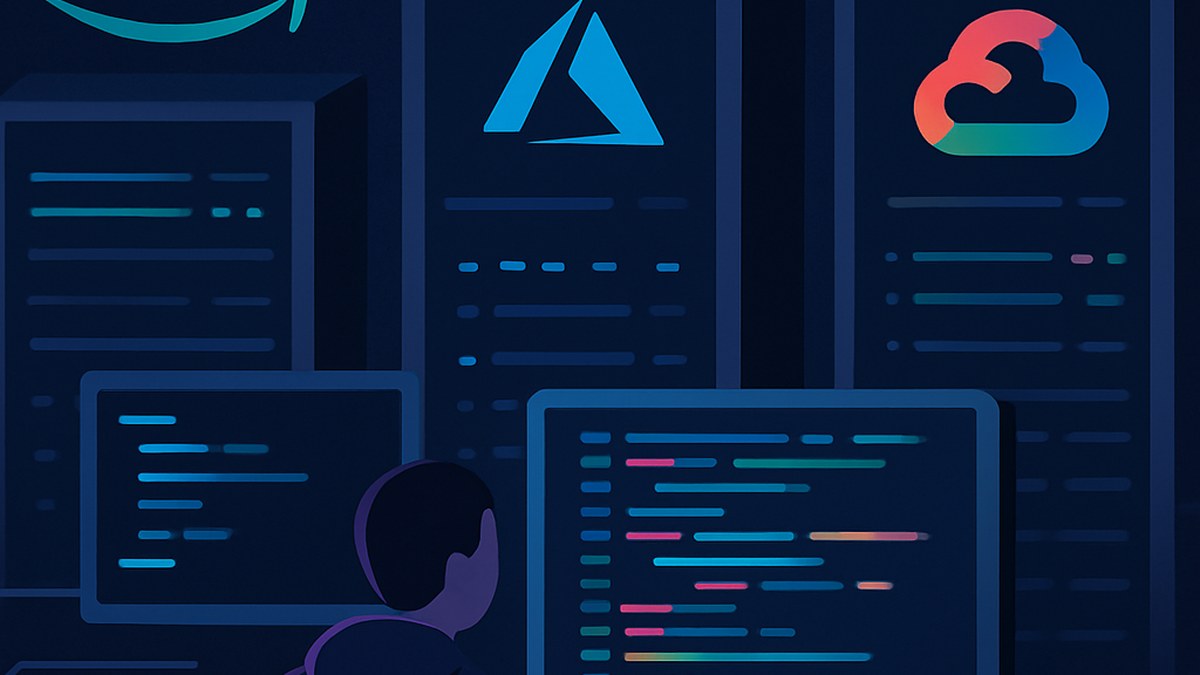
April 2026 marks a pivotal moment as enterprises have started to adopt a more nuanced, multicloud strategy to avoid vendor lock-in and leverage the competitive strengths of each platform. This shift has been driven by the need for flexibility, cost-efficiency, and the ability to deploy workloads across multiple environments to meet diverse business needs. Consequently, the three-way tie in the ratings is not merely symbolic but also indicative of a broader industry trend toward strategic multicloud adoption.
What Happened
The 2026 Info-Tech Cloud IaaS Champion ratings, released this month, have placed Amazon EC2, Azure Virtual Machines, and Google Cloud Compute Engine at the pinnacle with identical scores of 9.0. This marks a historic first for the cloud industry, as no previous iteration of the survey has ever reported a tie among these three giants. The ratings reflect a comprehensive analysis of performance, reliability, user satisfaction, and feature set, drawing on feedback from hundreds of enterprise users and IT architects who have deployed significant workloads across these platforms.
Amazon EC2 remains a leader in cloud integration, largely due to its extensive ecosystem that includes services like S3, IAM, and RDS. This broad service portfolio allows for seamless integration and management of complex cloud environments, reinforced by the widespread adoption of AWS APIs as the standard for third-party tooling. However, Azure Virtual Machines have leveraged Microsoft’s dominance in enterprise software to offer unparalleled integrations with Active Directory, Microsoft 365, and the Power Platform, making it an attractive choice for businesses heavily invested in Microsoft technologies.

Meanwhile, Google Cloud stands out in the field of AI and machine learning, offering superior throughput-per-dollar with its TPU and GPU infrastructure, including the highly efficient A5X NVIDIA Vera Rubin instances. Google’s Vertex AI platform provides robust tools for developing, deploying, and managing AI models at scale, appealing to organizations prioritizing AI/ML innovation. The convergence of capabilities among these providers has led to increased competition, prompting enterprises to employ hybrid and multicloud strategies to take advantage of each provider’s unique strengths while optimizing their overall cloud expenditure.
Why It Matters
The three-way tie in the Info-Tech Cloud IaaS ratings is significant for several reasons. Firstly, it highlights the maturation of the cloud services market, where the leading providers have reached a level of equivalency in core compute capabilities. This parity has profound implications for enterprises, which now have the opportunity to leverage the unique strengths of each platform without sacrificing performance or reliability. As a result, organizations are increasingly adopting multicloud strategies to diversify their cloud investments, mitigate risks, and optimize costs.
The implications for the industry are far-reaching. As enterprises embrace multicloud architectures, tools and services that facilitate seamless integration across platforms are expected to see increased demand. Solutions such as AWS Interconnect and similar offerings from other providers play a crucial role in enabling cross-cloud interoperability, which is vital for businesses looking to maximize their cloud investments. Additionally, the competitive landscape will likely drive further innovation and price adjustments as providers strive to differentiate themselves in an increasingly commoditized market.
Furthermore, the shift toward multicloud strategies reflects a broader trend toward treating cloud services as a portfolio optimization problem. Rather than committing to a single vendor, enterprises are now leveraging the best features and pricing from multiple providers to construct a tailored cloud strategy that aligns with their specific business goals. This approach not only fosters competition among the major cloud vendors but also places pressure on them to continually enhance their offerings to maintain customer loyalty.
How We Approached This
In crafting this piece, we relied on detailed analyses from the Info-Tech Research Group’s 2026 report, known for its rigorous methodology and comprehensive coverage of the cloud market. We focused on the convergence of capabilities among the three leading cloud providers, assessing their unique strengths and how these influence enterprise strategies. Our editorial lens prioritized the implications of this three-way tie for developers and IT architects, emphasizing practical applications and strategic considerations.
We engaged with expert opinions and case studies from industry leaders to ensure a balanced perspective. By highlighting the specific advantages each platform offers—such as AWS’s integration breadth, Azure’s enterprise compatibility, and Google Cloud’s AI prowess—we aimed to provide our readers with actionable insights into the evolving cloud landscape. Our decision to omit lower-scoring providers in the analysis was guided by a focus on the top-tier platforms that are most relevant to our developer-focused readership.
Frequently Asked Questions
Why did the three cloud providers tie in the ratings?
The tie in the ratings is a result of the convergence in core compute capabilities among AWS, Azure, and Google Cloud. Each provider has achieved a similar level of performance, reliability, and feature richness, making it difficult for one to outshine the others in the core IaaS domain. Their distinct strengths in areas like integration, enterprise solutions, and AI/ML capabilities further level the playing field.
How should enterprises approach multicloud strategies?
Enterprises should assess their specific needs and select cloud providers that align with their strategic goals. A multicloud strategy allows businesses to leverage the strengths of different platforms, optimize costs, and avoid vendor lock-in. Tools that facilitate cross-cloud integration and interoperability, like AWS Interconnect, are essential for successfully implementing multicloud architectures. Organizations must remain agile and continually evaluate their cloud strategies to adapt to evolving needs and market conditions.
What are the potential risks of adopting a multicloud strategy?
While multicloud strategies offer numerous benefits, they also pose challenges such as increased complexity in management and potential integration issues. Enterprises must invest in robust tools and practices to ensure seamless operations across platforms. Security concerns and compliance requirements can also be more challenging to manage in a multicloud environment. It’s crucial for organizations to develop a comprehensive strategy that addresses these risks while maximizing the advantages of multicloud deployments.
As we move forward in 2026, the landscape of cloud computing continues to evolve, driven by the ongoing innovation and competition among the leading providers. The three-way tie in the Info-Tech Cloud IaaS ratings underscores the importance of strategic multicloud adoption as enterprises seek to harness the full potential of cloud technologies. Developers and IT leaders must remain vigilant and adaptable, leveraging the strengths of each platform to drive innovation and achieve their organizational goals.