The rapidly evolving landscape of AI-native development tools has captured significant attention with a new report valuing the market at an impressive $8.7 billion for 2026. The report, which projects a climb to $32 billion by 2032, highlights a remarkable compound annual growth rate (CAGR) of 24%. At the forefront of this technological shift are key players like Cursor, Lovable, Replit, Tessl, and Windsurf, alongside industry titans such as Microsoft, Google, and AWS. Cursor, developed by Anysphere, is rapidly gaining notoriety, having achieved a $100 million annual recurring revenue (ARR) milestone faster than industry benchmarks like Slack and Zoom. The report delineates a pivotal transition from ‘AI-assisted’ to ‘AI-native’ development, a paradigm where artificial intelligence constitutes the primary interface for software creation. This article will delve into the factors propelling this market, with a focus on the contributions of leading startups and the implications for the cloud computing domain.
Context
The AI-native development tools market represents a seismic shift in how software is conceived, developed, and deployed. Unlike traditional development environments that supplement human input with AI for code completion, AI-native tools place AI at the heart of the process. This involves the AI serving as the primary or sole interface for software creation, allowing developers to interact with the system through natural language descriptions or other intuitive mechanisms. This evolution signifies a departure from merely enhancing human creativity to fundamentally redefining the creative process itself.
Historically, the evolution towards AI-native systems began with incremental enhancements in AI-assisted development, best exemplified by tools like GitHub Copilot and AWS’s CodeWhisperer. These systems initially focused on augmenting developer productivity by suggesting code snippets and optimizing workflows. However, as AI technologies matured, the potential for more integrated and autonomous solutions became evident. This potential is being realized today through platforms like Lovable and Bolt.new, which are spearheading the ‘vibe coding’ movement by enabling the generation of complete applications from simple verbal inputs.
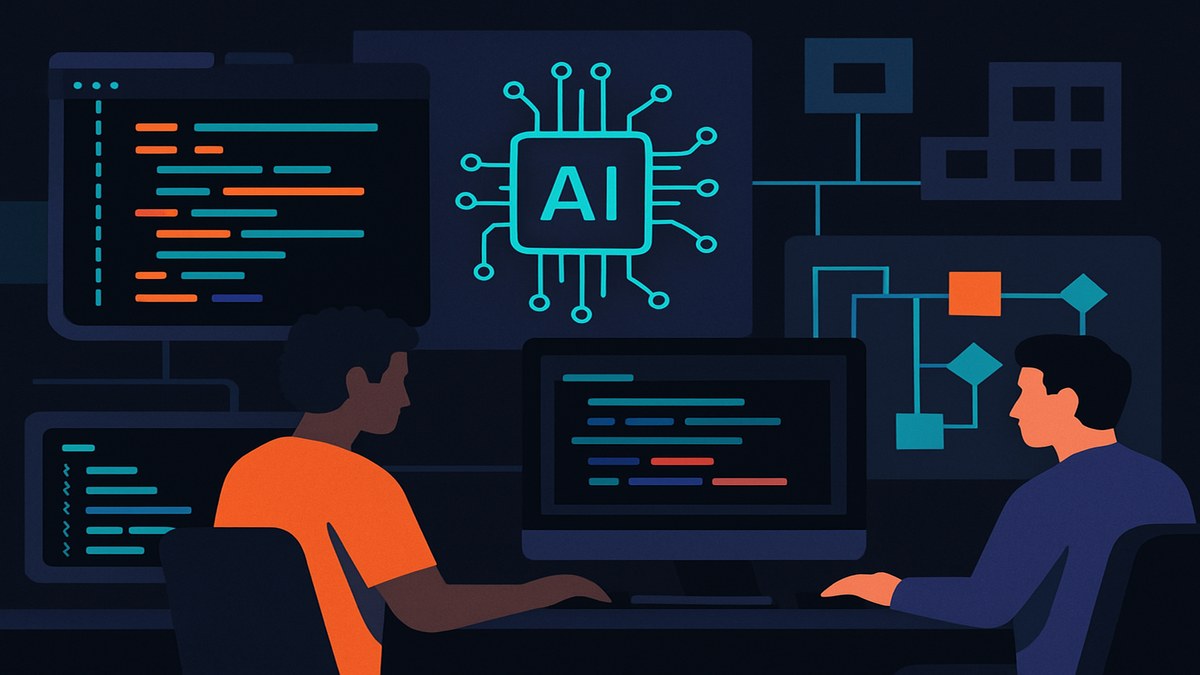
This week marks a significant milestone as the market research report published highlights the burgeoning demand and the financial viability of AI-native development tools. The report identifies a key shift over the past couple of years, as developers increasingly embrace these tools to meet the demands of modern, agile development cycles. As the pace of innovation accelerates, companies that were once on the periphery of the cloud computing industry are now central to its evolution, driving both technical and economic growth.
What Happened
According to the new market research report, the AI-native development market has reached $8.7 billion in 2026, marking a decisive moment for this burgeoning sector. The report forecasts the market to grow to $32 billion by 2032, reflecting a robust 24% CAGR. This growth trajectory underscores the significant role these tools are playing in shaping the future of software development. Key contributors to this growth are startups like Cursor, which has emerged as a breakout success. Anysphere’s Cursor achieved $100 million ARR in record time, surpassing former trailblazers like Slack and Zoom. This achievement is indicative of a broader trend where AI-native platforms are becoming essential tools in the developer’s toolkit.
The report further identifies leading entities within this space, such as Lovable and Replit, which are gaining traction with innovative approaches to AI-native development. Lovable, known for its ‘vibe coding’ capabilities, allows developers to construct entire applications from natural language inputs, a leap forward from traditional coding methods. Replit, on the other hand, offers a collaborative, browser-based development environment that is revolutionizing how teams work together across geographies. These companies exemplify the diversity of innovation driving the AI-native market forward.
In addition to these startups, major tech companies are also heavily investing in AI-native technologies. Microsoft, with its GitHub Copilot, Google with Gemini Code Assist, and AWS with CodeWhisperer and Q Developer, are pivotal players in the hyperscale segment. Their substantial resources and established user bases allow them to drive widespread adoption and further validate the market’s potential. This week, the focus is on how these collaborative and autonomous systems are reshaping the development landscape and setting new standards for what is possible in software engineering.
Why It Matters
The implications of AI-native development tools are profound, impacting not only developers but the broader tech ecosystem, including cloud providers, enterprises, and end-users. For developers, these tools offer unprecedented opportunities to accelerate innovation by reducing the time and effort required to build complex software systems. By leveraging AI as the primary interface, developers can focus on higher-level design considerations and creativity, rather than routine coding tasks.
For the cloud industry, the rise of AI-native development represents a pivotal opportunity to redefine service offerings and expand market reach. Cloud providers are now able to offer more sophisticated, integrated solutions that cater to the evolving needs of their users. This trend is likely to fuel further investments in AI capabilities, as companies strive to differentiate themselves in an increasingly competitive market.
The broader impact extends to enterprises across various sectors that can harness these tools to drive digital transformation initiatives. By embracing AI-native development platforms, organizations can accelerate their innovation cycles, reduce costs, and improve operational efficiencies. As these technologies mature, they are expected to play a critical role in shaping the next generation of digital services, thereby influencing global economic and technological landscapes.
How We Approached This
In crafting this feature, we focused on a comprehensive analysis of the market research report while ensuring the article aligns with Stack Runner’s developer-centric perspective. We examined a wide range of data points, including market size projections, growth rates, and company performance metrics, to provide a robust overview of the current state of AI-native development tools. Our editorial lens prioritizes clarity and precision, seeking to convey the most relevant information to our tech-savvy readership.
We chose to emphasize the achievements of both startups and established tech giants to present a balanced view of the market dynamics. The decision to highlight certain companies, such as Cursor and Lovable, was guided by their innovative contributions and market impact. By maintaining a focus on the transformative potential of AI-native tools, we aim to provide valuable insights into how these technologies are reshaping the development landscape and the cloud industry at large.
Frequently Asked Questions
What defines AI-native development tools?
AI-native development tools differ from traditional development aids in that they use artificial intelligence as the primary interface for creating software. Rather than just assisting with tasks like code completion, these tools enable developers to build applications through intuitive interactions, such as natural language descriptions, fundamentally changing how software is developed.
Why is the AI-native development market growing rapidly?
The AI-native development market is experiencing rapid growth due to its transformative impact on software development processes. These tools streamline the creation of complex software, reduce development times, and allow developers to focus on high-level design. The market’s projected 24% CAGR reflects strong demand from both developers and enterprises seeking to leverage these advantages.
How are major tech companies involved in AI-native development?
Major tech companies like Microsoft, Google, and AWS are significant players in the AI-native development space. They are investing heavily in AI-native tools like GitHub Copilot, Gemini Code Assist, and CodeWhisperer to expand their service offerings, attract developers, and maintain competitive advantages in the rapidly evolving software development landscape.
As the AI-native development market continues to expand, its influence on the technology sector is undeniable. Companies like Cursor, Lovable, and Replit are pushing the boundaries of what is possible in software creation, driving innovation and adaptation across industries. The journey from AI-assisted to AI-native development signifies a new era, where artificial intelligence not only complements human creativity but elevates it to unprecedented levels. For developers, cloud providers, and enterprises, the future holds vast potential as AI-native tools redefine the limits of technological advancement and usher in a new age of digital innovation.