Iran’s military has escalated regional tensions by explicitly threatening to target American technology and energy infrastructure across the Middle East. This warning comes as a direct response to recent U.S. threats against Iranian civilian facilities. In a video disseminated over the weekend, military spokesperson Ebrahim Zolfaghari stated that any American strikes on Iran’s power plants or water desalination systems would be met with retaliatory attacks on U.S. assets.
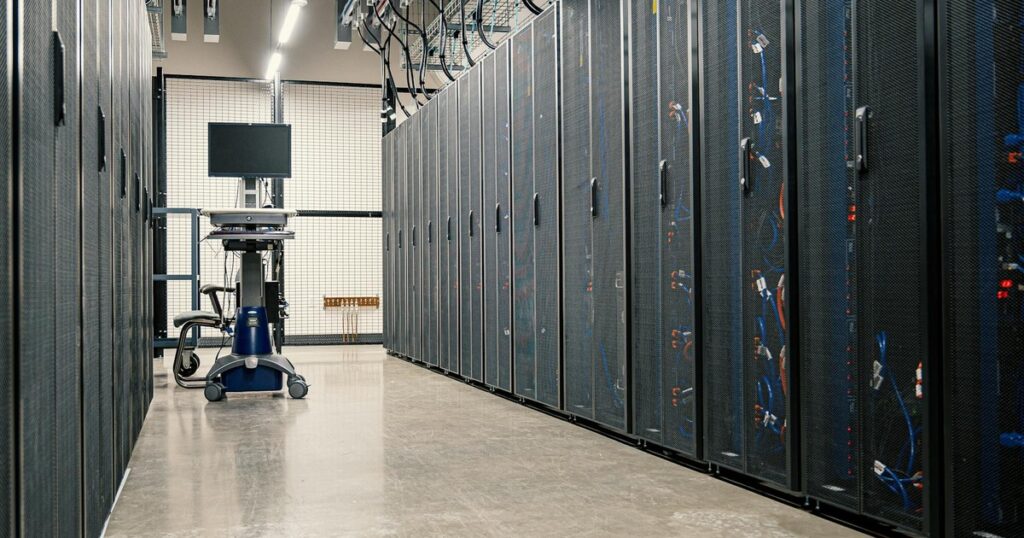
The video presentation included a pointed visual reference to the Stargate data center located in the United Arab Emirates. Accompanying text declared, “nothing stays hidden to our sight, though hidden by Google.” Stargate represents a massive $500 billion joint venture between OpenAI, SoftBank, and Oracle, formally announced in January 2025. The project aims to construct a global network of artificial intelligence data centers, though it has reportedly faced initial hurdles related to funding and international tariff costs.
This latest provocation follows a stark ultimatum from U.S. President Trump. He has threatened to order strikes on Iranian civilian infrastructure by the end of Tuesday if Iran does not reopen the Strait of Hormuz. The strategic waterway has been a choke point for global shipping since conflict erupted in February, severely disrupting supply chains worldwide.
The threat against Stargate is not an isolated incident but part of a broader campaign against Western tech presence in the region. Iranian forces have already conducted missile strikes against critical data infrastructure. Targets have included Amazon Web Services facilities in Bahrain and an Oracle data center in Dubai. Furthermore, Iranian officials explicitly named technology giants Nvidia and Apple in threats issued just last week.
The situation underscores a dangerous new phase in hybrid warfare, where physical infrastructure supporting the digital economy becomes a primary battlefield. The targeting of a flagship AI project like Stargate signals a strategic intent to cripple not just immediate operational capabilities but also long-term technological development and data sovereignty initiatives backed by American capital.