

This week, the Kubernetes security team put the spotlight on a critical flaw in the Ingress-NGINX controller that threatens to undermine the security of countless Kubernetes deployments worldwide. Labelled CVE-2026-24513, this vulnerability is both elegantly simple and devastatingly effective. By exploiting a loophole in the handling of HTTP headers, attackers can bypass the auth-url annotation, potentially exposing private services to unauthorized access. This alarming revelation highlights a significant oversight in the integration between Ingress-NGINX and backend authorization services, especially those that fail to properly validate attacker-controlled HTTP headers. This article will delve into the intricacies of this vulnerability, examining its impact on modern web infrastructure and offering guidance on mitigating its effects.
Context
Kubernetes, the open-source platform for managing containerized applications, relies heavily on Ingress controllers to manage external access to services. Ingress-NGINX is one of the most popular controllers, loved for its flexibility and rich feature set. However, its widespread use also makes it a prime target for security vulnerabilities. The role of Ingress controllers is to route external traffic to the right services within a Kubernetes cluster, and security is paramount given the potential for exposure of internal services.
The vulnerabilities disclosed this week are part of a broader pattern of security challenges faced by Kubernetes and its ecosystem. Ingress-NGINX’s ability to delegate authorization to an upstream service via the auth-url annotation is a common configuration choice. By design, if the backend service returns a 401 or 403 status code, NGINX should block the request, adding a layer of security. However, this mechanism is vulnerable if the backend service does not appropriately handle specific HTTP headers, such as the X-Code header identified in this flaw.

Prior to this disclosure, security assumptions made around the handling of HTTP headers in proxy scenarios were often insufficient. This oversight is not unique to Kubernetes; similar challenges have been observed in other web technologies where headers can be manipulated to control the flow of requests. As Kubernetes continues to evolve, these vulnerabilities underscore the need for rigorous security practices and thorough audits of existing configurations, particularly those involving third-party integrations.
What Happened
The heart of CVE-2026-24513 lies in the interplay between Ingress-NGINX and the auth-url feature. This vulnerability is triggered when an attacker crafts a request with a specially designed X-Code HTTP header. In a typical secure setup, if the backend service returns a 401 or 403, the request should be blocked, ensuring only authorized clients gain access. However, if the backend service does not explicitly reject headers such as X-Code, an attacker can circumvent the authorization check entirely.
This flaw affects numerous Ingress-NGINX setups, particularly those using custom authorization middlewares written in languages like Node, Go, and Python. These implementations often proxy headers without proper sanitization, inadvertently allowing malicious headers to manipulate request flow. The impact is further amplified in environments where services assume implicit trust in their proxied headers, leading to potential data breaches and unauthorized access.
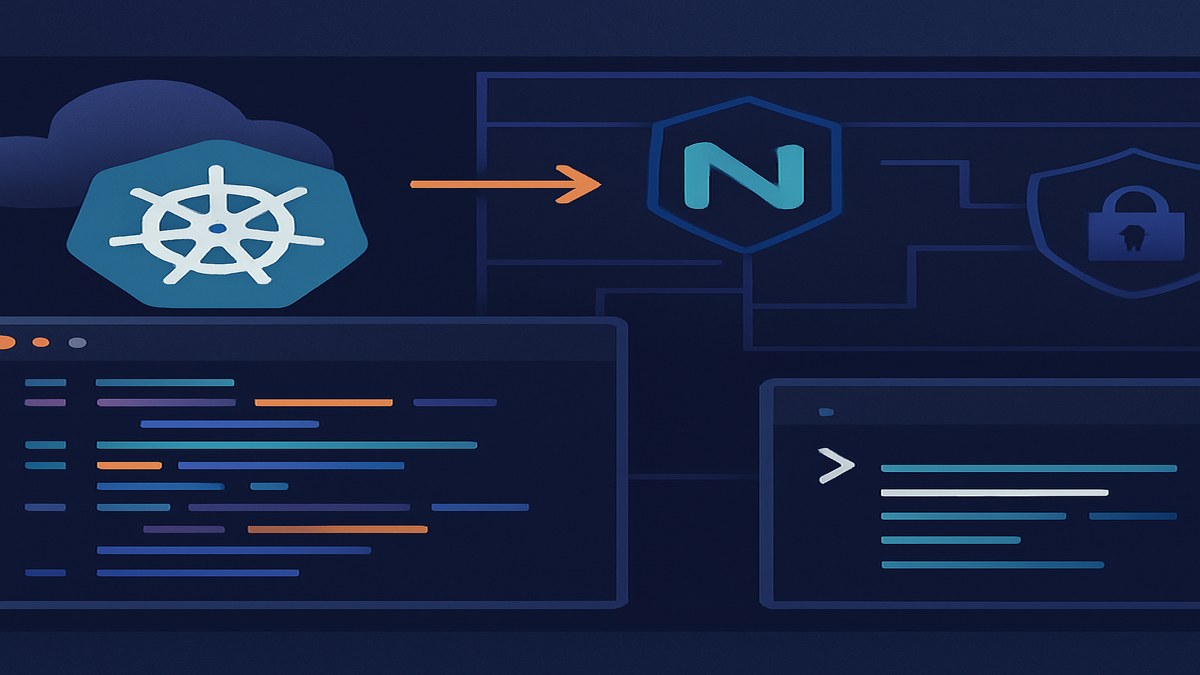
Alongside CVE-2026-24513, the advisory also detailed CVE-2026-24512 and CVE-2026-24514, which include other critical vulnerabilities. Most notably, CVE-2026-1580 allows attackers to inject raw configuration into NGINX through an annotation field, potentially leading to arbitrary code execution. These vulnerabilities affect all Ingress-NGINX versions prior to 1.11.4, with fixes released in version 1.12.0. For those unable to upgrade immediately, the Kubernetes SIG-Security team has recommended a mitigation strategy involving a ConfigMap that strips the X-Code header from client requests.
Why It Matters
The implications of CVE-2026-24513 are profound, especially for organizations that rely on Kubernetes for deploying sensitive applications. These vulnerabilities reveal a critical gap in the security architecture of many Kubernetes setups, where assumptions about header handling can lead to severe breaches. The flaw’s elegance lies in its minimal attack surface; a single HTTP header can compromise an entire authorization chain, affecting every service behind the affected Ingress.
For the developer community, this discovery is a stark reminder of the importance of comprehensive input validation and sanitization. As more organizations automate and scale their infrastructure, the reliance on default configurations and unvetted third-party modules grows, increasing the risk of exposure to such vulnerabilities. Developers must remain vigilant, regularly auditing their systems and configurations to guard against similar threats.
Enterprises deploying Kubernetes at scale must adapt quickly to protect their assets. The immediate response involves applying the available updates and considering the recommended mitigations. However, the long-term solution requires a reevaluation of security practices, emphasizing the necessity for rigorous testing and validation of all components within the Kubernetes ecosystem. This includes adopting a zero-trust model that scrutinizes every request, regardless of its origin.
How We Approached This
In researching CVE-2026-24513, we relied on multiple sources, including official Kubernetes security advisories, white papers on HTTP header security, and insights from leading experts in cloud security. Our focus was to provide a comprehensive breakdown of how this vulnerability operates and its potential consequences for Kubernetes users.
We chose to emphasize the technical aspects of the vulnerability, given our audience’s expertise in IT and software development. By focusing on the mechanics of the flaw and its broader implications, we aim to equip our readers with the knowledge necessary to address similar challenges in their environments. Our editorial stance avoids speculative angles, opting for a factual, in-depth analysis grounded in the latest available data.
Frequently Asked Questions
What makes CVE-2026-24513 particularly dangerous?
CVE-2026-24513’s danger lies in its simplicity and the widespread use of vulnerable configurations. By manipulating the X-Code header, attackers can bypass authorization checks, exposing private services without needing sophisticated exploits. This vulnerability underscores the critical need for robust header validation in security configurations.
How can organizations mitigate this vulnerability?
The immediate mitigation involves upgrading to Ingress-NGINX version 1.12.0, which contains the fix for CVE-2026-24513. For those unable to upgrade, implementing the ConfigMap provided by Kubernetes SIG-Security, which strips the X-Code header from requests, is a recommended workaround. Regular audits of authorization and header handling practices are also essential.
Are there other vulnerabilities related to this issue?
Yes, the advisory also includes CVE-2026-24512 and CVE-2026-24514, which detail additional vulnerabilities in Ingress-NGINX. Of particular concern is CVE-2026-1580, which allows for arbitrary code execution through misconfigured annotations. Together, these vulnerabilities highlight the importance of timely updates and comprehensive security practices in Kubernetes environments.
As we look to the future of Kubernetes security, CVE-2026-24513 serves as a potent reminder of the challenges that lie ahead. With containerized applications becoming ever more critical to business operations, maintaining a robust security posture is paramount. Organizations must not only respond to immediate threats but also proactively strengthen their defenses against future vulnerabilities. By fostering a culture of security-first development and infrastructure management, businesses can safeguard their assets and ensure the integrity of their services in an increasingly hostile cyber landscape.